Organics Recycling & Composting Control Systems
Grinders, screens and aeration systems that can’t stop just because a sensor lied — the material keeps arriving either way.
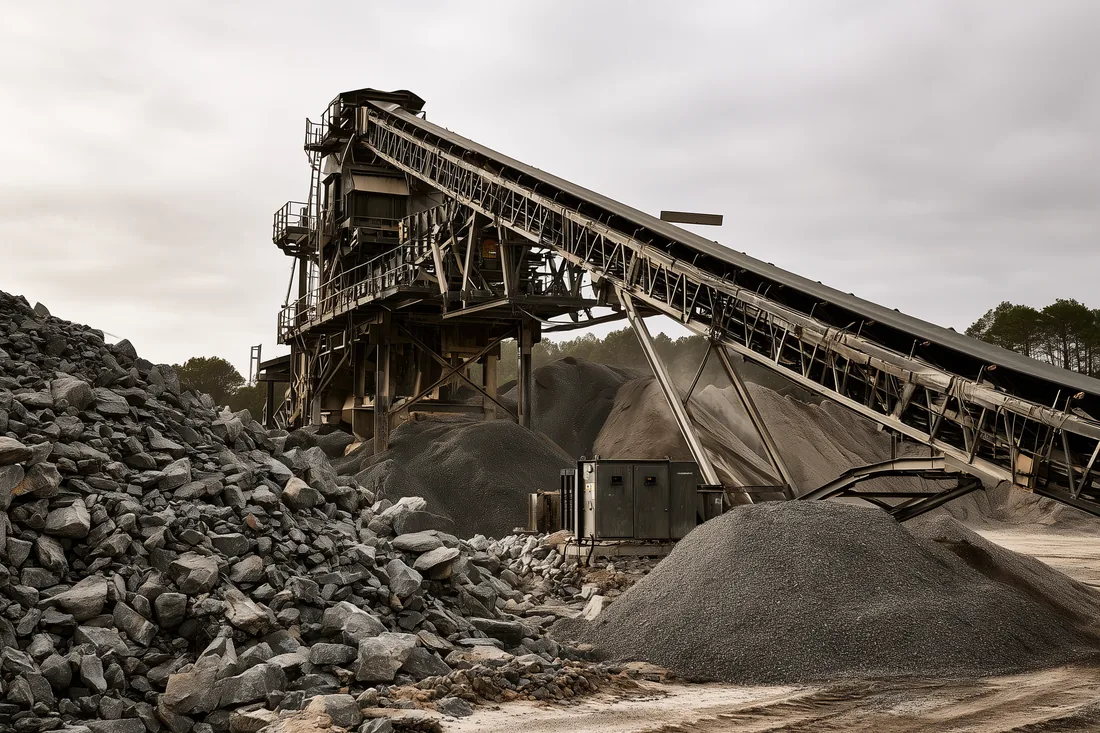
Organics recycling and composting is where Strule started, and it’s still the environment Jonathan knows best. These sites are hard on control systems: grinders and shredders load the drives hard, trommel and star screens jam on wet material, and biofilters and aeration blowers have to hold a set point in an atmosphere that’s actively working to corrode the wiring and terminals around them. Hydrogen sulfide, ammonia and condensation get into panels that weren’t specified for it, and intermittent faults on these lines are rarely where they first appear to be.
The failures that cost the most uptime are usually sequencing and interlock problems — a jam-detection trip that won’t reset cleanly, a screen that stalls the infeed conveyor behind it, a blower that short-cycles instead of holding a steady aeration rate. Moisture and temperature control drift out of tolerance slowly enough that nobody notices until a pile goes anaerobic or a permit limit gets close. We find the fault that’s actually costing you tons per day, fix the root cause instead of the symptom, then tune the sequencing and alarms so the plant runs predictably inside its air permit. A grinder or shredder that’s started tripping its overload more often than it used to is nearly always reporting a wear or feed problem upstream, not a fault in the drive itself. Treating the symptom by bumping the overload setting just trades a nuisance trip for a real motor failure down the line.
- Grinders & shredders
- Trommel & star screens
- Conveyors & transfer points
- Aeration blowers & dampers
- Biofilter & odor control
- Moisture & temperature instrumentation
- Mobile plant, engine & genset CAN bus (J1939)
- Nuisance trips that halt the tip floor
- Aeration & blower control drifting out of spec
- Conveyor sequence & jam-detection faults
- Alarm floods that hide the real fault
- Obsolete PLCs with no spares
Chasing Ghosts: Diagnosing Intermittent PLC Faults
The line trips at 4 a.m. and clears before anyone arrives. Come-and-go faults on wet, corrosive plants are rarely in the code — here’s how to corner one.
Read →Keeping Control Systems Reliable in Composting and Anaerobic Digestion Plants
Most control problems at an organics site do not start in the control panel. They start in the air.
Read →Got a plant that isn't behaving?
Tell us what's giving you trouble. The first conversation is free, and you'll get a straight assessment.
Get in touch